I have to start by saying how this Early Years and Learning project, funded by the Helen Hamlyn Trust, was a truly joyful and playful programme to have been a part of.
Over six years, the programme has taken us on a journey of discovery which has deepened our understanding of both the opportunities and challenges of creating meaningful museum (and science and maths) learning experiences for our youngest audiences.
BACKGROUND
Experiences in the early years shape our lives as adults and contribute towards an appreciation and understanding of science – and museums in adulthood.
The aim of the project was to grow our knowledge around learning in museums, and to develop innovative activities, tools and techniques that can help inspire young children (4–7-year-olds) foster a lifelong interest in museums and STEM.
At its heart was research with young children and their families, teachers and carers, with the findings from that research shaping and informing knowledge share, training and resources that can be used both in the museum – and in the classroom and beyond.
THE RESEARCH
Our Science Museum Group museums, like many others, have traditionally focused on older audience object rich spaces. The first phase of the research was conducted between 2019 -2022 and explored how young children engage with museum objects related to science, technology, engineering and maths (STEM), and prototyped creative and innovative ways to enhance young children’s curiosity and engagement with those objects.
The second phase of the research focused more on young children with low to medium science capital in schools, community groups and families. It further tested the most successful prototypes which emerged from the first research phase to see how they supported children’s, and families, object engagement and learning in a playful way.
The key findings from both phases of the research were:
- Familiar objects sparked conversations
- Social interaction motivated children
- Children wanted more information and engagement
- Play, in particular play that includes a clear structure, adult involvement and learning outcomes is important in supporting object engagement and learning
- Supporting and empowering adults to give children agency is key
For the research we used the definition of ‘agency’ provided by the Helen Hamlyn Centre for Pedagogy, that ‘Agency can be characterised as the degree to which children are able to exercise choice and control within a supportive environment’.
Showing that children’s agency doesn’t just happen if we do nothing, agency must be actively supported through the environment of the museum and the social setting that children are part of.
From the outset of this programme, our ambition was to generate insights and practical approaches that could be openly shared, adapted and built upon by everyone in the cultural and informal STEM learning sector, helping museums to collectively offer experiences for their youngest audiences which can inspire a lifelong journey of discovery.
Read more about the research and the findings in the Science Museum Group Journal links below:
Early Years and Learning Phase 2 Report Summary for Practitioners
KNOWLEDGE SHARE & TRAINING COURSES
A key research finding was that supporting accompanying adults, whilst still giving children agency, is critical to making early years’ museum experiences meaningful, memorable and inspiring.
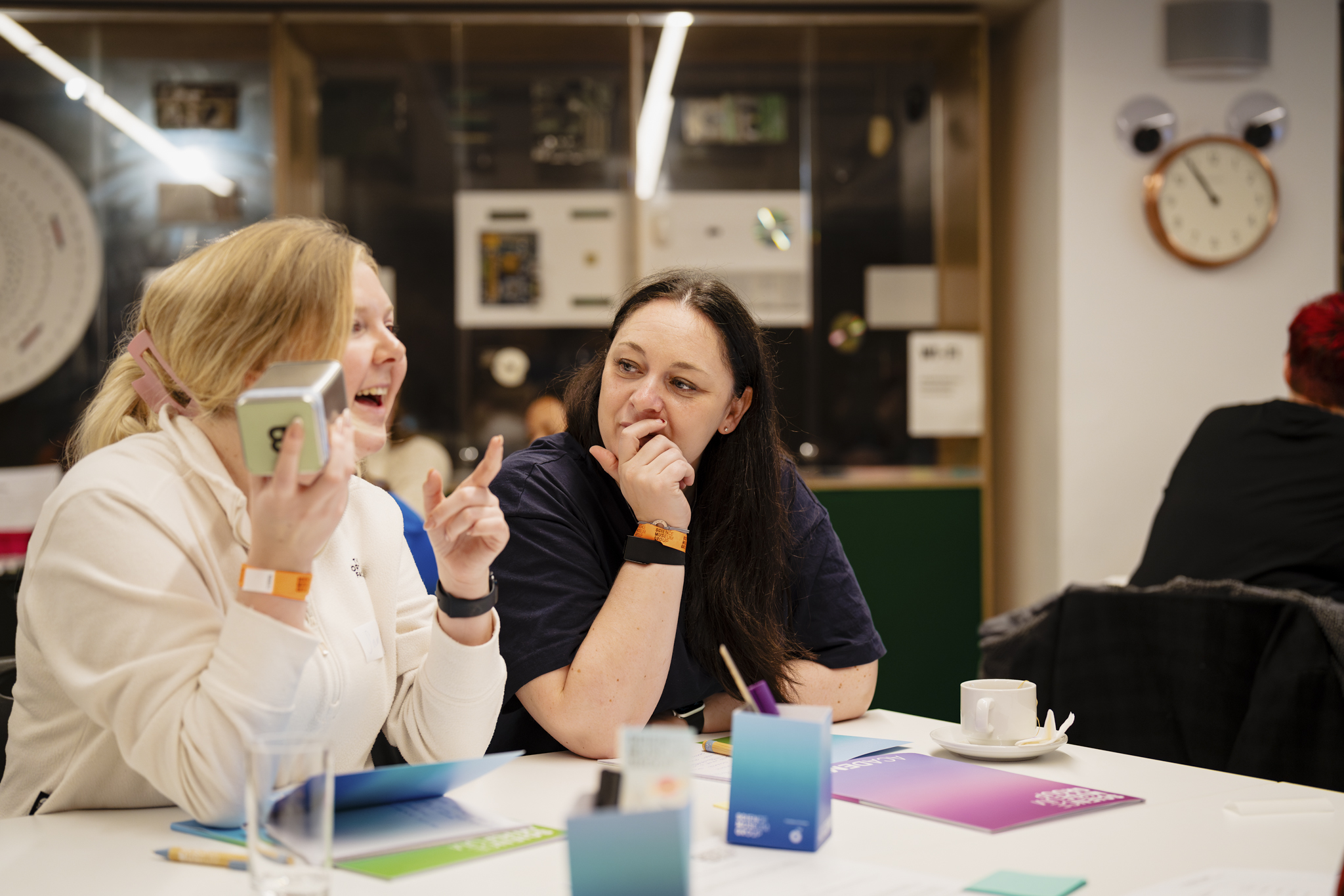
With this as an essential focus, one of the ways we addressed this was through the development and delivery of a new CPD training course for early years teachers and practitioners called Exploring science through Play.
This course explores the value and opportunities of playful science learning – in and beyond the classroom, whilst highlighting how the skills used in science can be developed through play, and through exploration and inquiry in museum spaces.
The outcome of the course is to inspire and support teachers, and other early years practitioners, to feel more empowered and confident to explore the wonder and the joy of discovery through STEM subjects with young children.
Alongside the training, we also developed some ‘knowledge share’ resources based on the research, including:
- Top tips: Developing Early Years Experiences
- Top tips: Exploring Science Through Play
- How to make the most of a museum visit with groups of younger children
ACTIVITIES
Shaped and informed by the research, we developed a suite of playful early years focused activities that can be used in and beyond the museum.
The museum-based activities included:
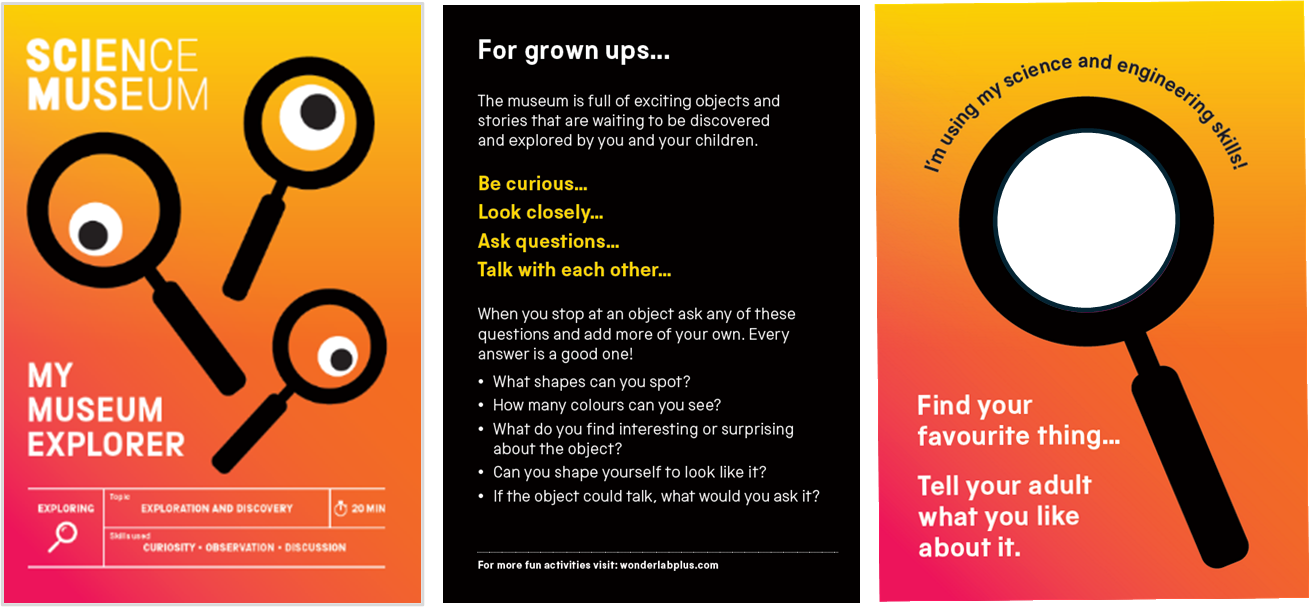
My Museum Explorer, a museum object exploring activity, where the two halves detach to give questions for adults to support exploration of objects with their child, and a view finder for children to explore and find their favourite things in the museum. The aim of the activity is to encourage adult & child discussion about the things they are drawn to in the museum, whilst also highlighting their science & engineering skills.
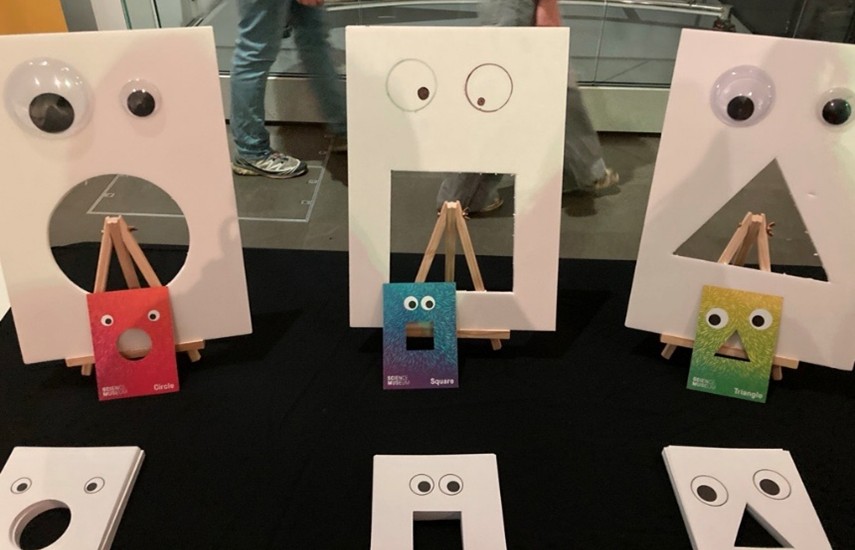
Hungry Shape Monsters (& Shape Detectives), is a lovely playful activity which invites children to see how many shapes they can find around the museum to feed their very hungry monsters! The activity links to maths and numeracy through naming and recognising different shapes and practicing counting skills. The activity is run as a drop in workshop in the museum, where children can design their own hungry monsters, or they can be picked up from a volunteer.
Beyond the museum, we also developed some classroom and at home activities including Curiosity Game , Curious Things Image Bank, Would you rather discussion questions (Would you rather? Travel, Would you rather? Entertainment, Would you rather? Space, Would you rather? Communication)
You can explore more of the resources for early years foundation stage web page.
CONCLUSION
The outcomes and insights from the research, and programme outputs have left a huge legacy. It has reshaped our child-centred thinking across our SMG museums and public programmes, where early years audiences are a priority focus.
Our Early Years blog series shares insights from the research, development, and delivery of our work across the Science Museum Group with early years audiences.