Science is part of everything we do, see, and feel. It shapes the materials in our collections, the processes behind our artworks, and the stories we share. Through the Science in Your World (SiYW) programme, Aberdeen Archives, Gallery & Museums set out to reveal these connections, and help people recognise and build their own science capital – the knowledge, experiences, and confidence that shape how we engage with science in everyday life.
What followed was a journey that transformed how we learn, interpret, and collaborate.
why it mattered
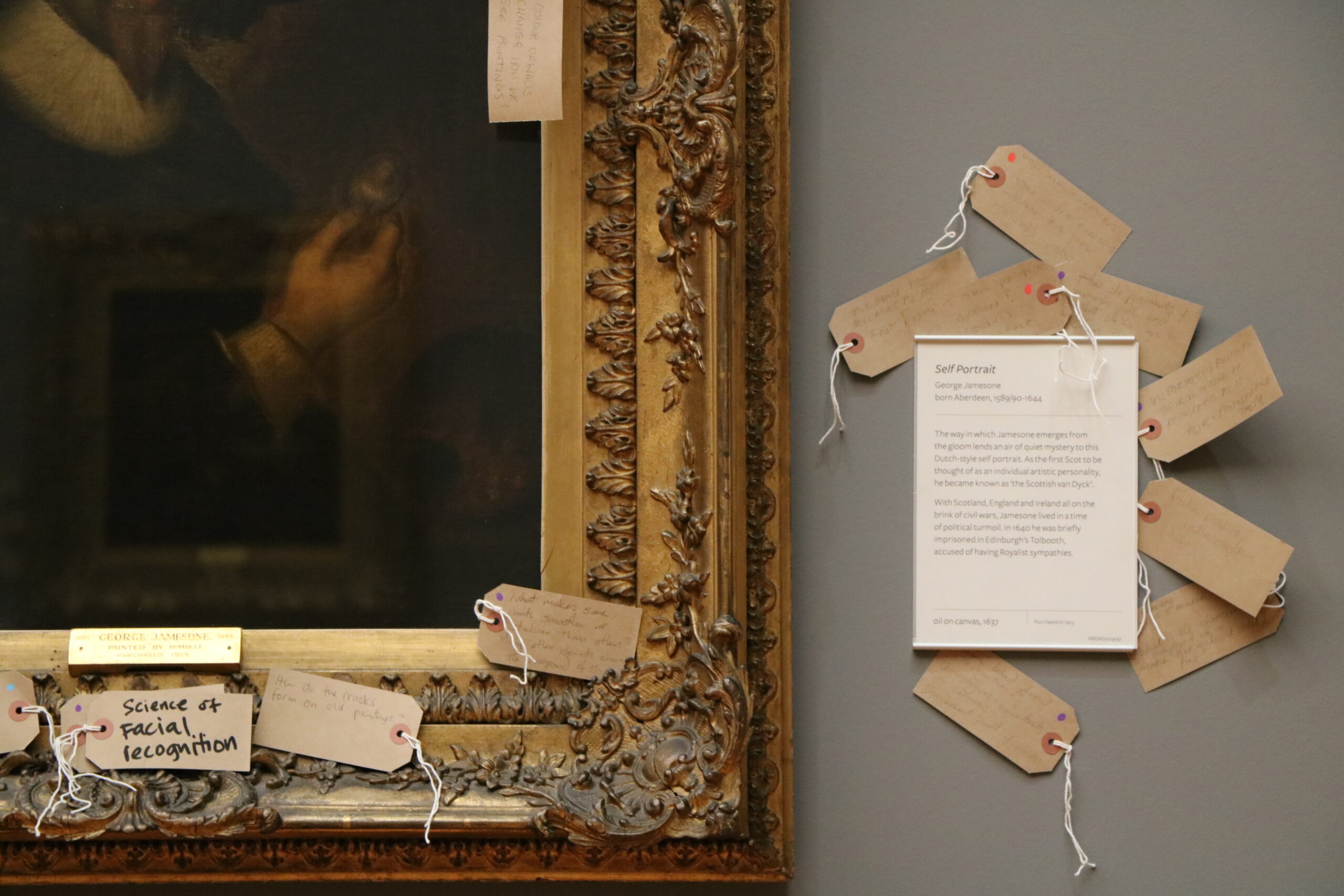
Science is everywhere… in the pigments of a painting, the engineering behind a ship’s hull, the chemistry of photographic processes. Yet for many audiences, and even some staff, science felt distant or “not for them”. Science in Your World helped us to challenge that perception.
By reframing interpretation around process, properties, and enquiry, we opened up new ways to connect with collections and stories, sparking curiosity for audiences and confidence for staff.
What we achieved during the project
Reach and participation:
- 1,251 people engaged
- 1,563 unique experiences
- 56 staff and 12 volunteers involved
- 517 children and 481 adults participated
- 279 secondary school pupil experiences
Staff development
We delivered 21 training sessions, from structured CPD to informal ‘Lunch and Learn’ events. Working groups fostered collaboration across public programmes, collections, and front-of-house teams. In total, 56 staff took part- around half our workforce.
Feedback show a clear shift in confidence and attitudes. Colleagues who once felt science ‘wasn’t for them’ now see it’s relevance and accessibility:
“Science in Your World has made me acknowledge that we use science in our everyday lives as well as our jobs… I better understand the importance and democratisation of the subject in understanding our immediate surroundings and world.” Ross MacLennan, Collections Team.
Schools and community impact
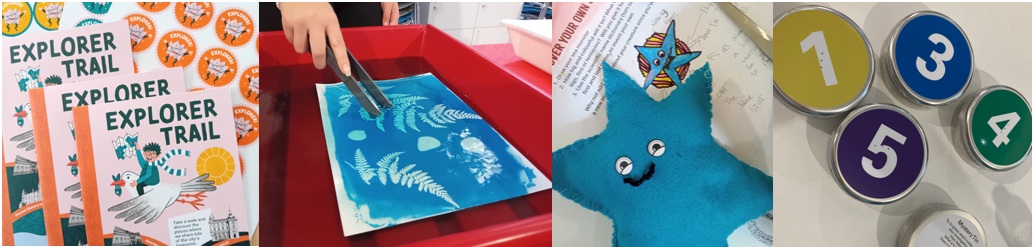
Our partnership with Lochside Academy exemplifies the programme’s impact. In 2024, we worked with the full S1 cohort on Mystery Tins workshops, a series of enquiry-based sessions using sensory exploration and testing. These laid the foundation for gallery-based learning, including cyanotype photography.
In 2025, 53 pupils joined There Be Giants! with professor John Spicer as part of our (now closed) Monsters of the Deep exhibition. Pupils explored Antarctic research, examined specimens, and used microscopes in a hands-on session.
The results speak for themselves.
- 91% of pupils wanted more sessions like this
- 76% felt confident using science enquiry skills
- Even typically disengaged pupils participated enthusiastically
Teachers reported increased self-esteem and future thinking among pupils. Mystery Tins was praised for encouraging observation, discussion, and decision-making, and teachers expressed interest in future collaboration.
What we learned
- Cross-departmental collaboration creates space for experimentation and reflection
- Many staff and visitors initially underestimate their own science capital, but with support, can confidently engage with STEM (science, technology, engineering, maths) concepts.
- Adapting engagement tools to suit audiences and embedding reflection into daily practice is essential.
- Working with external partners brings new energy and ideas to our programmes.
Programme legacy
Science in Your World has left a lasting impact for us…
- Over 50% of staff participated in training, increasing confidence in using science capital approaches.
- Science perspectives are now embedded across exhibitions, events, and interpretation.
- New tools and resources including Mystery Tins, Chatterboxes, Cyanotype equipment and the Maritime Box handing collection are used with all ages and abilities.
- The Explorer Trail encourages families to explore four city centre venues through a STEM lens.
- Partnerships with scientists and artists, including Professor John Spicer and Lynne Hocking, have enriched content and audience engagement.
- At Lochside Academy, branded Mystery Tins resources are now used in classrooms, and teachers have expressed interest in future collaboration.
Public programme attendees responded positively to tactile, imaginative, and inquiry-led experiences, from our new early years Loose Parts Play sessions to Make Your Own Sea Monster family workshops. Lessons learned will continue to enrich our programme.
Science in Your World has transformed how we see our collections and our role as museum professionals. It has sparked curiosity, built confidence, and inspired both staff and audiences to explore the presence and process of science in everyday life. most importantly, it has shown that science is integral to learning, fuelling curiosity, observation, and problem-solving , and a shared language of discovery.
Find out more
Find out more about the science in out collection via our Bloomberg Connects science, Art and Curiosity tour. Listen to artist and scientist Lynne Hocking as she guides us through a selection of 10 artworks and objects on display at Aberdeen Art Gallery.
You can read more about the highlights and experiences from the programme in the Science in Your World blog series.