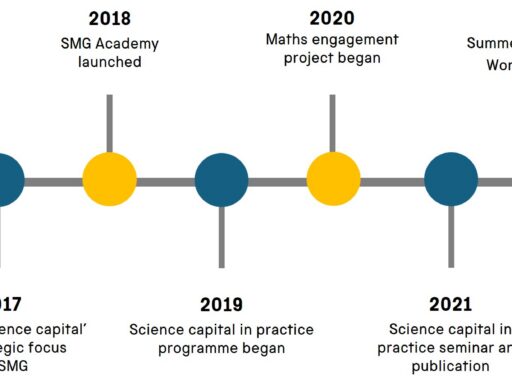
We reflect on the key milestones of the Science Museum Group adopting and working to embed an equitable and inclusive science capital informed approach.
We reflect on the key milestones of the Science Museum Group adopting and working to embed an equitable and inclusive science capital informed approach.
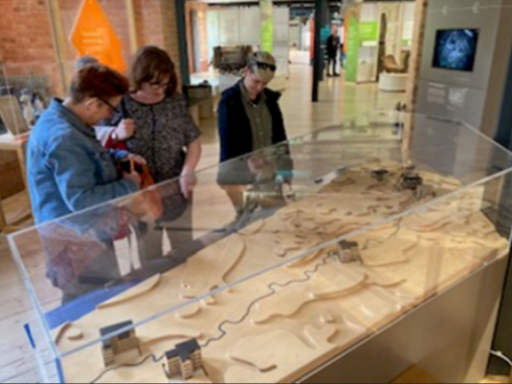
As part of the Science in Your World programme, Banbury Museum & Gallery share their experience of developing a new interactive exhibit to support engagement with their unique local content.
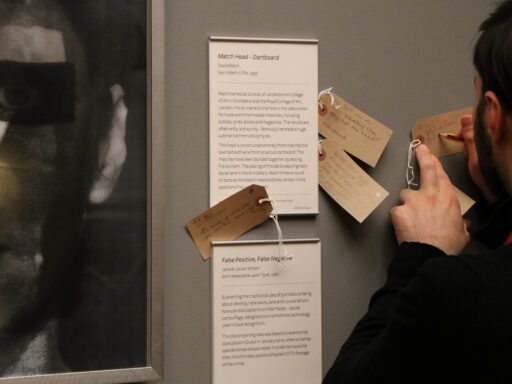
From collections to classrooms, our mission to embed science capital across programmes and people. Aberdeen Archives, Gallery & Museums reflect on their participation in the Science in Your World programme.
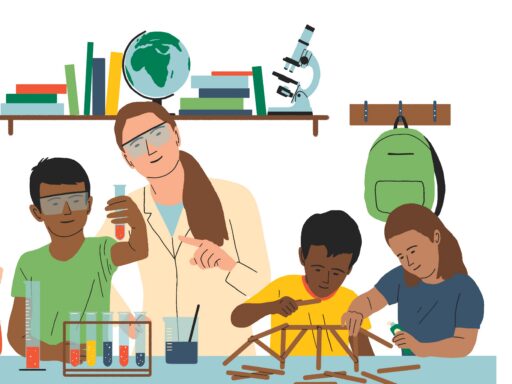
International Day of Women and Girls in Science allows us to celebrate women in science, and to reflect on the opportunities to inspire and engage more women and girls with the STEM which shapes our everyday lives.
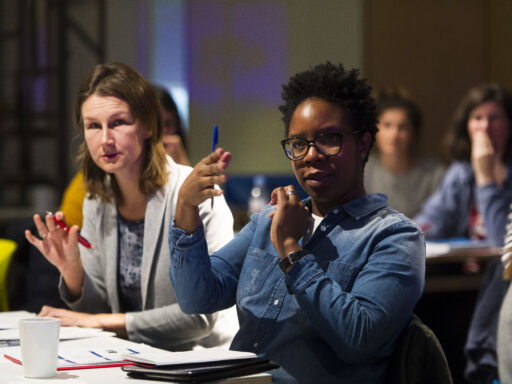
Can it be possible for a one-off teacher training workshop to achieve impact on students? Jen Dewitt discusses how it can, when the training focuses on engaging pedagogy, and supports adaption to diverse classroom contexts.

A good tour can enhance a visitors’ experience, providing face-to-face contact and unique insights into a range of fascinating subjects. Here we share some of our top tips for how to create and deliver memorable and engaging tours.

Clubs enable people to explore and discover science, technology, engineering and maths (STEM) beyond the classroom. Here we share some of our top tips for planning and running an exploration and discovery club.

We need to talk about jargon. It’s everywhere. It’s at work, in public places and learning institutions, and nearly everything has an acronym now! But jargon can really alienate people from conversations and experiences. So, what should we do about it?
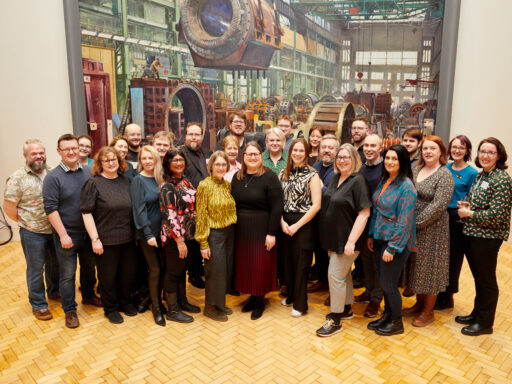
In this second of a series of blogs on our nationwide Science In Your World programme, Kate Davis explains how we are developing our community.

Audience engagement is a two-way interaction between you and your audience. Engaging experiences provoke emotional responses in people, and get people actively participating, talking about and sharing their experiences, as well as inspiring them to want to find out more.

Early years children are an integral part of our museum audience, and we know that positive and inclusive STEM experiences in childhood set a good path to engage with science throughout life. Here we share some of our top tips for developing early years experiences that support STEM learning.
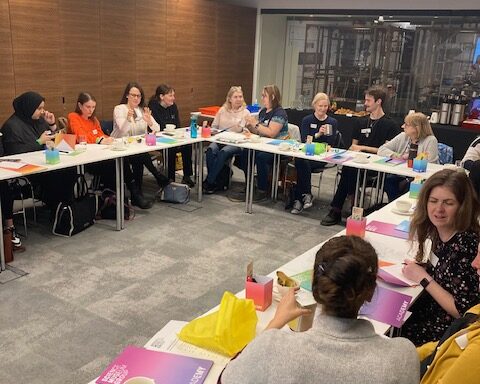
Alice White interviews Beth Hawkins and Madeline Stanley on the development of our new Academy course ‘Exploring Science Through Play’ for early years practitioners.