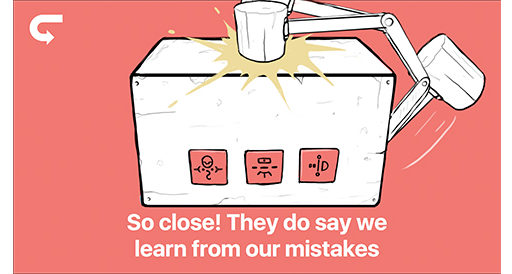
In part 3 of this mini-series, design studio Thought Den show how they responded to an ambitious brief from the Science Museum Group.
In part 3 of this mini-series, design studio Thought Den show how they responded to an ambitious brief from the Science Museum Group.
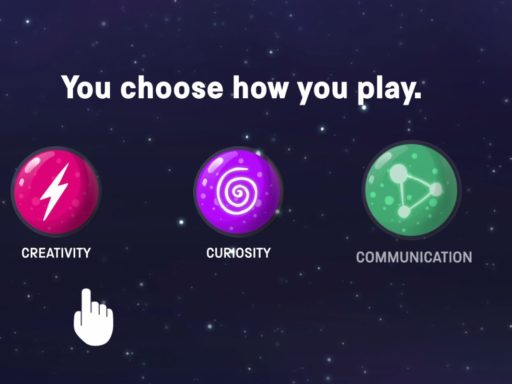
In part 2 of this mini series we look at how we took the idea of a chat-based experience and developed it further to create our brief for a science capital-informed narrative driven game.
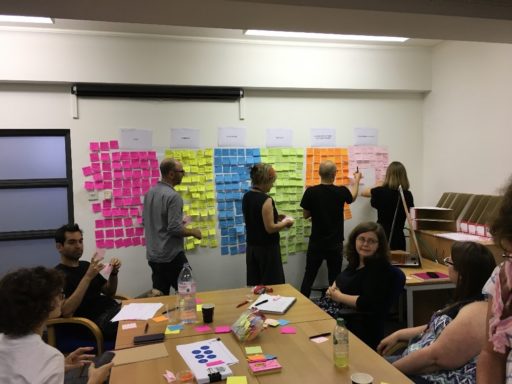
How do you bring a complex research-informed idea to a digital experience for children 7-13 years old… and make it engaging, fun and encouraging reflection on everyday life?
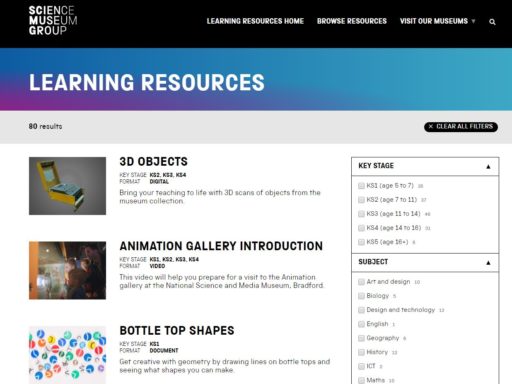
What we’ve learned about publishing our learning resources online.
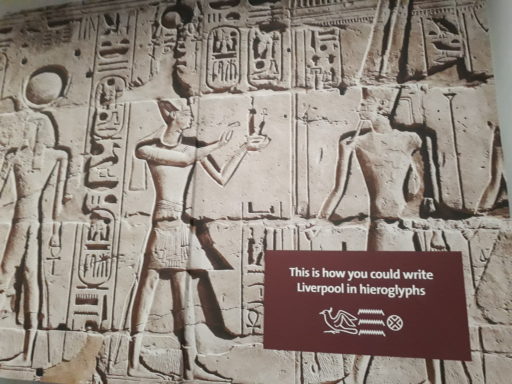
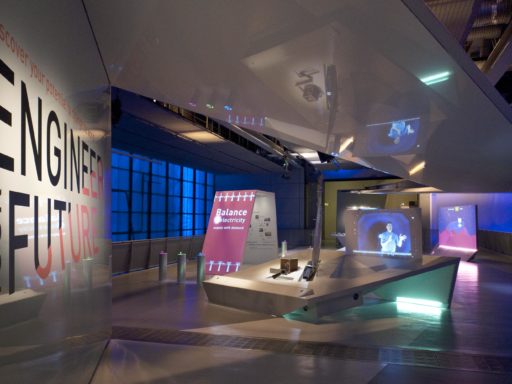
When thinking about what science capital in practice can mean, we find it helpful to visit other museums and science centres to find good examples of how they engage their audiences.
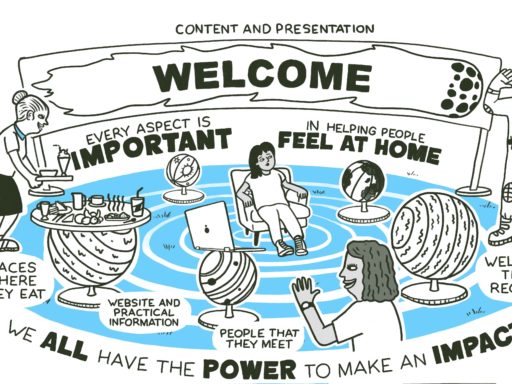
The concept of science capital gives us an insight into why and how some people participate in and engage with science related experiences and why some do not.
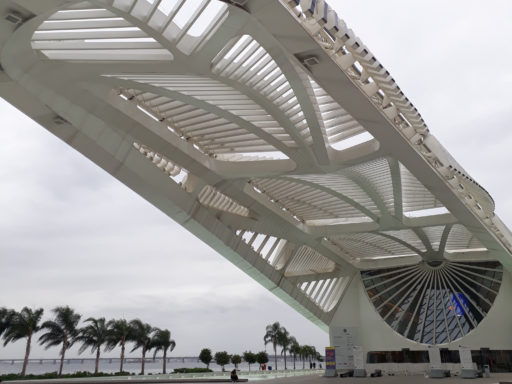
In November 2017 I was given the opportunity to visit the Museum of Tomorrow in Rio de Janeiro, Brazil.
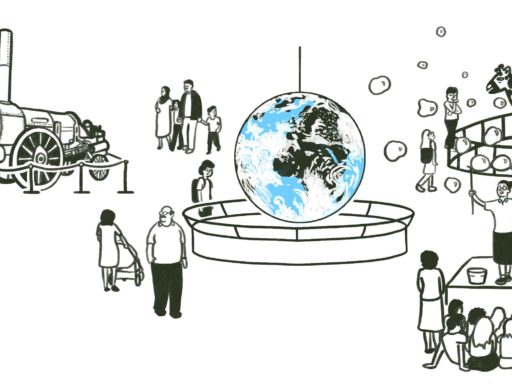
To celebrate International Science Centre and Science Museum day we are launching our new animation about science capital and the informal science sector.
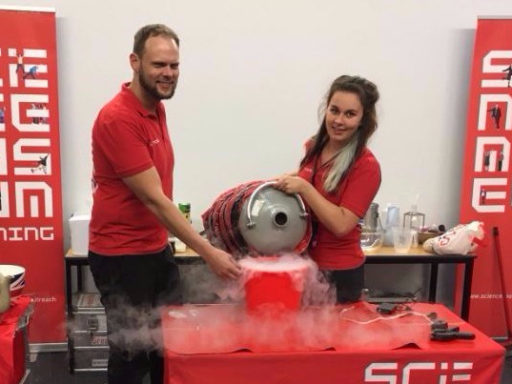
I’ve recently attended a training session delivered by the Science Museum’s Enterprising Science project team around science capital and how we can use it in our work.
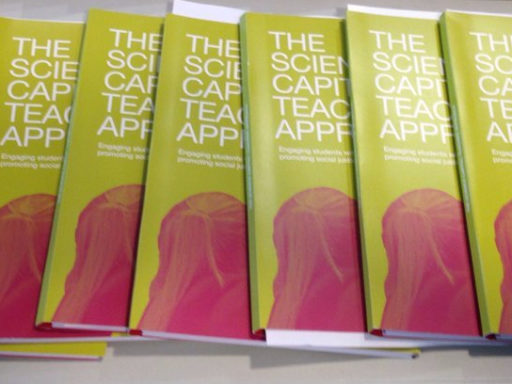
The Enterprising Science research team at University College London and Kings College London have produced a pack of resources based on their research to help teachers engage students with science.
Science is about people.
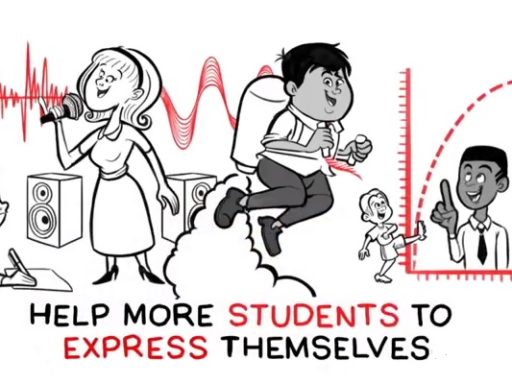
See the latest Enterprising Science project video animation about a science capital teaching approach, broadening what counts in the science classroom and challenging science stereotypes.