Over the past few months we, at the Science Museum, have been working in partnership with TES and the Arts Council England.
Over the past few months we, at the Science Museum, have been working in partnership with TES and the Arts Council England.
STEM engagement is at the heart of what we do in our museums, and science capital provides us with a research based insight which builds on our understanding of what influences and shapes people’s engagement and attitudes towards science.

In November 2016 we launched the first wave of our new and updated hands-on resources for use in the classroom or at home.
Science capital research has highlighted the need to create links between young people’s science experiences at school, home, and out of school (for example, in museums).
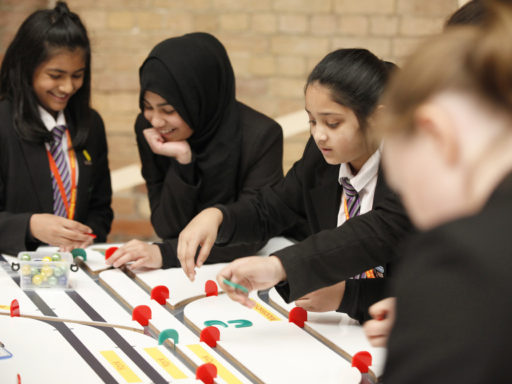
In October 2016, the National Railway Museum launched Future Engineers, a new annual event aiming to spark young people’s interest in engineering.
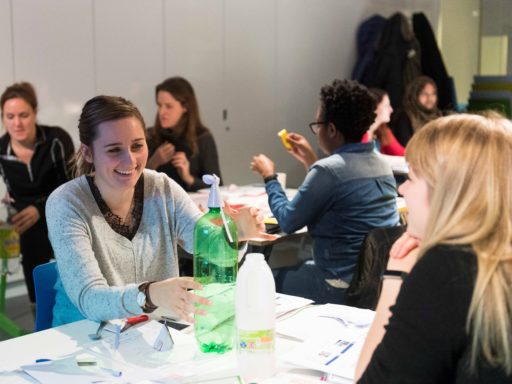
When designing learning resources, activities and events as part of the Enterprising Science project, we have repeatedly tried to create connections between science and students’ homes, families and local communities.
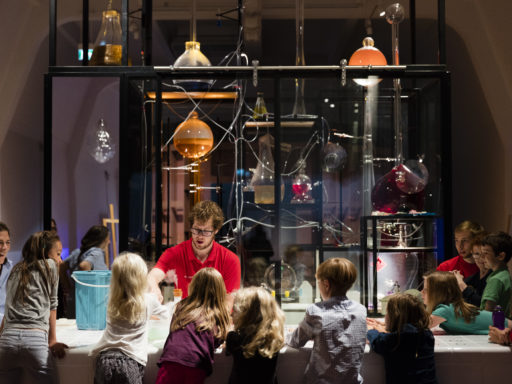
We know from research that many young people grow up thinking that science is not for them.
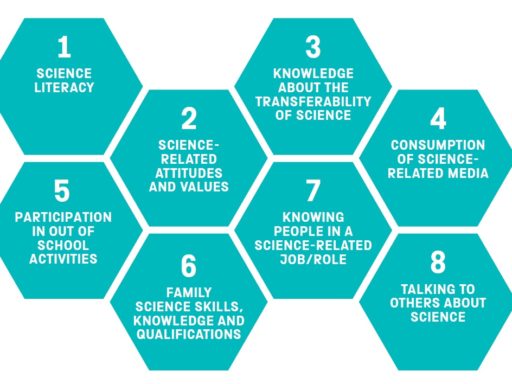
Understanding what influences a person’s science capital is essential to the research.
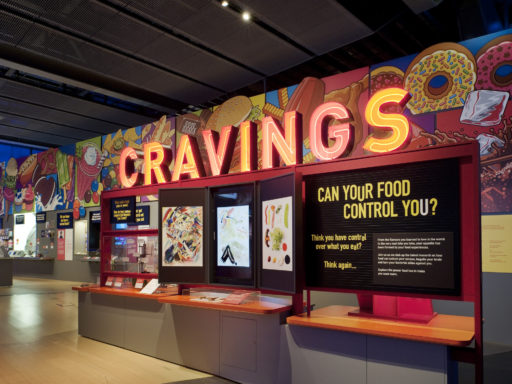
I checked out the Science Museum’s Cravings exhibition with our audit and reflection tool in hand.
The Science Museum Group is piloting an auditing tool to help us reflect on our current offer and shape the design of our experiences and resources.

Science capital gives us research-based insight into what influences and shapes people’s attitudes, engagement and relationship with science, technology, engineering and maths (STEM).
The Transforming Practice blog is written by practitioners, for practitioners, to reflect on what research into STEM engagement means for our day-to-day practice.